July 22, 2026
A fully functioning drainage system is something most people take for granted until wastewater pools around their ankles during a shower or lingers in the kitchen sink. Slow drains are a common household headache that can start as a minor annoyance but quickly escalate into a full-scale plumbing emergency if left unaddressed. While it is tempting to ignore a sluggish drain or pour a temporary chemical solution down the pipe, these symptoms usually point to deeper accumulation within the wastewater lines. Understanding what causes these bottlenecks is the starting point toward restoring normalcy to your household routines. Rather than guessing at the source of the blockage, partnering with a qualified local plumber ensures that the underlying issue is accurately diagnosed and permanently resolved, saving you from future structural damage and costly repairs.
Understanding the Impact of Hair and Soap Scum
Bathroom sinks, showers, and bathtubs are uniquely vulnerable to slow drainage due to the daily influx of hair particles and soap residues. Every time someone washes their hair or shaves, tiny strands slide down the drain opening, where they easily catch on the rough interior surfaces of the pipes or the drain stopper. Over time, these strands intertwine to form a net that catches everything passing through the line. Soap scum, which is a sticky byproduct created when water minerals react with traditional soap bars, acts as a binding agent that glues these hair clumps together. As the mixture hardens along the pipe walls, the pathway available for wastewater narrows significantly, resulting in a sluggish flow that worsens with every subsequent use of the fixture.
Attempting to clear a dense mass of hair and soap scum with mechanical plastic hooks or liquid cleaners often yields disappointing results because these methods only punch a temporary hole through the center of the clog. The remaining residue continues to trap new debris, leading to a recurring backup within a matter of weeks. A licensed local plumber possesses the professional equipment necessary to completely scrape the internal walls of the pipes clean without causing hidden fractures in fragile modern plastics or older metal lines. By thoroughly removing the entire accumulation rather than just clearing a path through the middle, these professionals restore the original diameter of the line and ensure that wastewater flows away smoothly and rapidly.
Analyzing the Danger of Cooking Grease and Fat
Kitchen drains face distinct challenges driven primarily by household culinary habits. When warm cooking oils, melted butter, meat fats, and greasy sauces are rinsed down the sink, they appear fluid and harmless because they are hot. However, as soon as these substances enter the cold underground pipes beneath the house, their temperature drops rapidly, causing them to solidify into a thick, waxy lining along the drainage system. This greasy film functions like a magnet, catching food scraps from the disposal, coffee grounds, and other organic matter that should pass freely into the main sewer line. As the layers of fat build up over several months, the diameter of the kitchen line shrinks, leaving only a small space for water to flow.
Many individuals try to fix this kitchen issue by pouring boiling water or harsh chemicals down the sink, hoping to dissolve the hardened fat, but these tactics frequently fall short and can even damage plastic or cast iron pipes. According to BusinessWire, seven out of 10 homeowners were unsuccessful in trying to fix a plumbing issue independently. This statistic underscores the reality that complex clogs require specialized mechanical intervention rather than simple retail remedies. When a stubborn grease blockage develops, contacting a reputable local plumber is the safest path forward because they utilize high-pressure water systems that emulsify and flush out grease completely. Professional hydro-jetting scours the lines clean, leaving no sticky residue behind to attract future debris, protecting your kitchen pipes from repeated blockages.
Identifying the Threat of Intruding Tree Roots
While many drainage blockages originate inside the house, some of the most severe slow drains are caused by environmental factors working beneath your lawn. Trees and large shrubs have expansive root systems that naturally expand outward in search of moisture and nutrients. The underground sewer lateral pipe, which carries combined wastewater from your home out to the municipal main line, is an ideal source of these vital elements. Even a small crack or loose joint in an underground pipe releases warm, nutrient-rich moisture into the surrounding soil, attracting nearby roots like a beacon. Once a root tip finds its way through a seam, it feeds on the water inside and grows rapidly, expanding into a fibrous web that completely fills the interior cavity of the pipe.
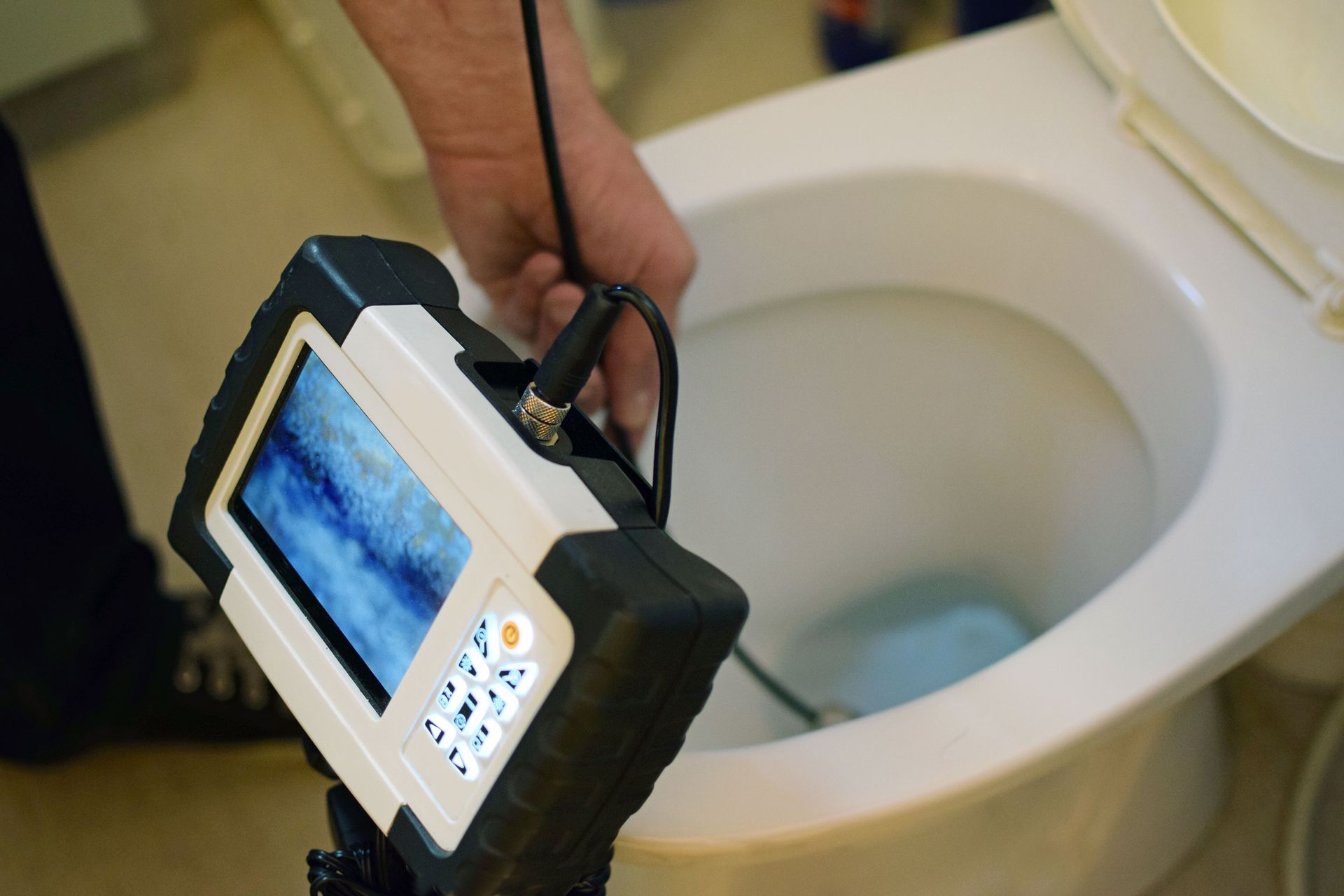
As the root mass expands inside the underground line, it acts as a dam, catching toilet paper, solid waste, and other items flushed down the drains. When tree roots are the culprit, homeowners usually notice that multiple fixtures across the house begin to drain slowly at the exact same time, often accompanied by unusual gurgling noises from toilets or wastewater backing up into basement drains. Resolving a root intrusion is far beyond the scope of basic household tools and requires the advanced diagnostic capabilities of a trained local plumber. These professionals utilize specialized waterproof sewer cameras attached to long cables to look directly inside buried pipes, allowing them to pinpoint the exact location and severity of the root blockage without digging up your entire yard.
Utilizing the Expertise of Professional Services
Enlisting professional assistance to address slow drains provides a comprehensive solution that goes far beyond the capabilities of consumer products. Professional technicians bring a deep understanding of residential building codes, pipe materials, and fluid dynamics to every service call, ensuring that work is performed safely and legally. They are equipped with industrial motorized drain augers, specialized camera inspection systems, and advanced hydro-jetting tools that blast through the toughest obstructions without endangering the integrity of your plumbing infrastructure. Furthermore, experts do not just clear the immediate backup; they analyze the overall health of your system to identify sagging pipes, misaligned joints, or ventilation issues contributing to the sluggish movement of water.
Investing in the skills of a dedicated local plumber also provides homeowners with invaluable peace of mind and long-term financial savings. Attempting to force heavy snakes down drains without proper training can result in punctured lines, flooded basements, and ruined cabinetry, turning a simple clearing job into an expensive restoration project. Professional service ensures the job is done correctly on the initial attempt, and many providers offer protective maintenance plans to keep lines clear throughout the year. By scheduling routine inspections and cleanings, you can catch accumulating debris or minor root intrusions before they develop into stressful emergencies that disrupt daily life and threaten property value.
Slow drains should never be dismissed as minor inconveniences because they are the warning signs of substantial blockages or structural failures deep within your plumbing network. Whether the problem stems from accumulated hair and soap scum, hardened kitchen grease, or aggressive tree roots cracking through underground lines, prompt action is essential to protect your property from water damage. Entrusting these complex issues to a skilled local plumber guarantees an accurate diagnosis, a permanent solution, and the preservation of your piping infrastructure. Instead of risking costly damage with ineffective DIY methods, ensure your home remains fully functional by choosing professional care. For reliable, top-tier assistance with all your drainage and piping needs, reach out to the experienced team at Noble Plumbing & Heating LLC.